

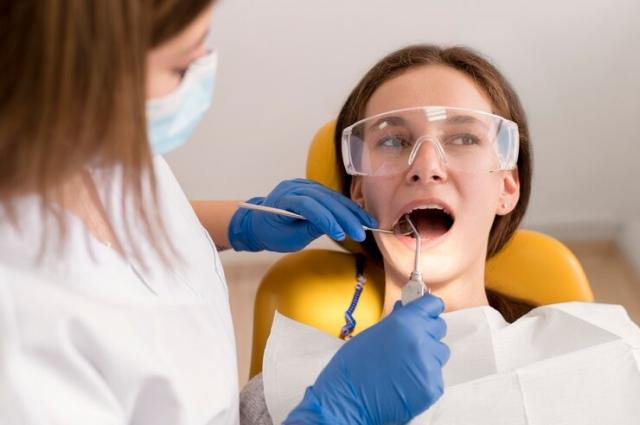
Orthodontists play a crucial role in diagnosing and treating bite and jaw issues, which can significantly impact oral health, functionality, and aesthetics. Proper bite and jaw alignment is essential for optimal chewing, speaking, and facial harmony. When bite or jaw issues arise, orthodontists specializing in orthodontics in Burke are equipped with specialized knowledge and techniques to address these concerns effectively.
- Understanding Bite and Jaw Issues
Bite and jaw issues encompass a range of conditions that affect the alignment and functionality of the teeth and jaw. Common problems include overbites, underbites, crossbites, open bites, and jaw misalignments. These issues can arise due to genetic factors, developmental problems, or habits such as thumb sucking or prolonged pacifier use in childhood. They can lead to difficulties with chewing and speaking and contribute to uneven teeth wear, jaw pain, and even headaches.
- Comprehensive Diagnosis and Assessment
The first step in addressing bite and jaw issues is a thorough evaluation by an orthodontist. During the initial consultation, the orthodontist will thoroughly examine your teeth, bite, and jaw alignment. This may include taking X-rays, digital scans, and photographs to assess the current state of your bite and jaw structure. This comprehensive diagnostic approach helps the orthodontist understand the extent of the problem and develop a customized treatment plan.
- Customized Treatment Plans
Once a thorough diagnosis is made, orthodontists create a personalized treatment plan tailored to address the specific bite and jaw issues. Treatment plans may involve various orthodontic appliances and techniques to correct misalignments and improve overall functionality. For example, braces and clear aligners can be used to straighten teeth and correct bite issues, while functional appliances might be employed to address jaw discrepancies.
- Addressing Specific Bite Problems
Orthodontists use a variety of methods to address specific bite problems:
- Overbites: An overbite occurs when the upper front teeth significantly overlap the lower front teeth. Orthodontists can use braces or clear aligners to gradually move the teeth into proper alignment, reducing the overbite and improving bite function.
- Underbites: An underbite is when the lower front teeth overlap the upper front teeth. Treatment for an underbite may involve braces, clear aligners, or, in some cases, surgical intervention to reposition the jaw and achieve proper alignment.
- Crossbites: A crossbite happens when some upper teeth bite inside the lower teeth. Orthodontists may use braces or expanders to correct this issue and ensure the upper and lower teeth align correctly.
- Open Bites: An open bite is when there is a gap between the upper and lower teeth when the mouth is closed. Treatment options may include braces, aligners, and behavioral modifications to address the underlying causes.
- Jaw Alignment and Functional Issues
Orthodontists also address issues related to jaw alignment and functionality. Malocclusions, or misalignments of the teeth and jaw, can lead to problems such as temporomandibular joint (TMJ) disorders, which cause jaw pain and discomfort. Orthodontic treatments may help realign the jaw and improve bite function, alleviating symptoms associated with TMJ disorders.
- Long-Term Benefits of Orthodontic Treatment
Correcting bite and jaw issues through orthodontic treatment offers long-term benefits beyond improved appearance. Proper alignment helps ensure even teeth wear, reducing the risk of tooth decay, gum disease, and jaw pain. It also enhances overall oral function, making chewing and speaking more comfortable. Additionally, achieving a balanced bite can improve facial aesthetics and self-confidence.
- Maintenance and Follow-Up Care
After orthodontic treatment, regular follow-up visits are essential to monitor the results and ensure that the bite and jaw alignment remain stable. Orthodontists will guide you on maintaining the results, including wearing retainers or other post-treatment appliances to prevent relapse and ensure long-lasting success.
In conclusion, orthodontists are instrumental in diagnosing and treating bite and jaw issues, offering personalized solutions that address functional and aesthetic concerns. If you experience bite or jaw issues, consulting with an orthodontist or dentist in burke is crucial to improving your overall dental well-being and quality of life. Through comprehensive evaluation, customized treatment plans, and ongoing care, orthodontists help patients achieve optimal oral health and a harmonious smile.